
Filmmaking analysis, not video generation.
Shot timing
See how long each shot lasts and where the edit flows.
Camera language
Identify movement, angles, focal lengths, and framing.
Edit plan
Understand transitions, speed changes, and pacing.
Solo shooter mode
Practical guidance for real-world creators.
From inspiration to production.
A practical route from saved reference to your own shoot.
Reference
Bring a clip you have the right to use.
Analysis
Study shots, lenses, pacing, movement, and sound cues.
Understanding
Translate technique into practical explanations.
Your shoot / edit
Apply it to your own camera, gear, and timeline.

Make it original
Move from watching a reference to planning your own frames.
Shot Theory gives you a technical starting point — focal range, movement, timing, and post-production decisions — so you can shoot with more intention.
Reframe
See the technique behind the shot.
Adapt
Apply it to your subject, location, and gear.
Execute
Shoot and edit with a clearer plan.
A practical brief
Sample Shot Theory Report
A clearly labeled example of how a reference becomes a practical plan.

Mountain product reveal
Cinematic product reveal with a dynamic, fast-paced edit.
18.4 seconds
Total duration
23 shots
Estimated shots
Fast pacing
0.80s avg. shot
High movement
Multiple techniques

01 0:00–0:01
Wide establish · 24mm
02 0:01–0:02
Push in · 35mm
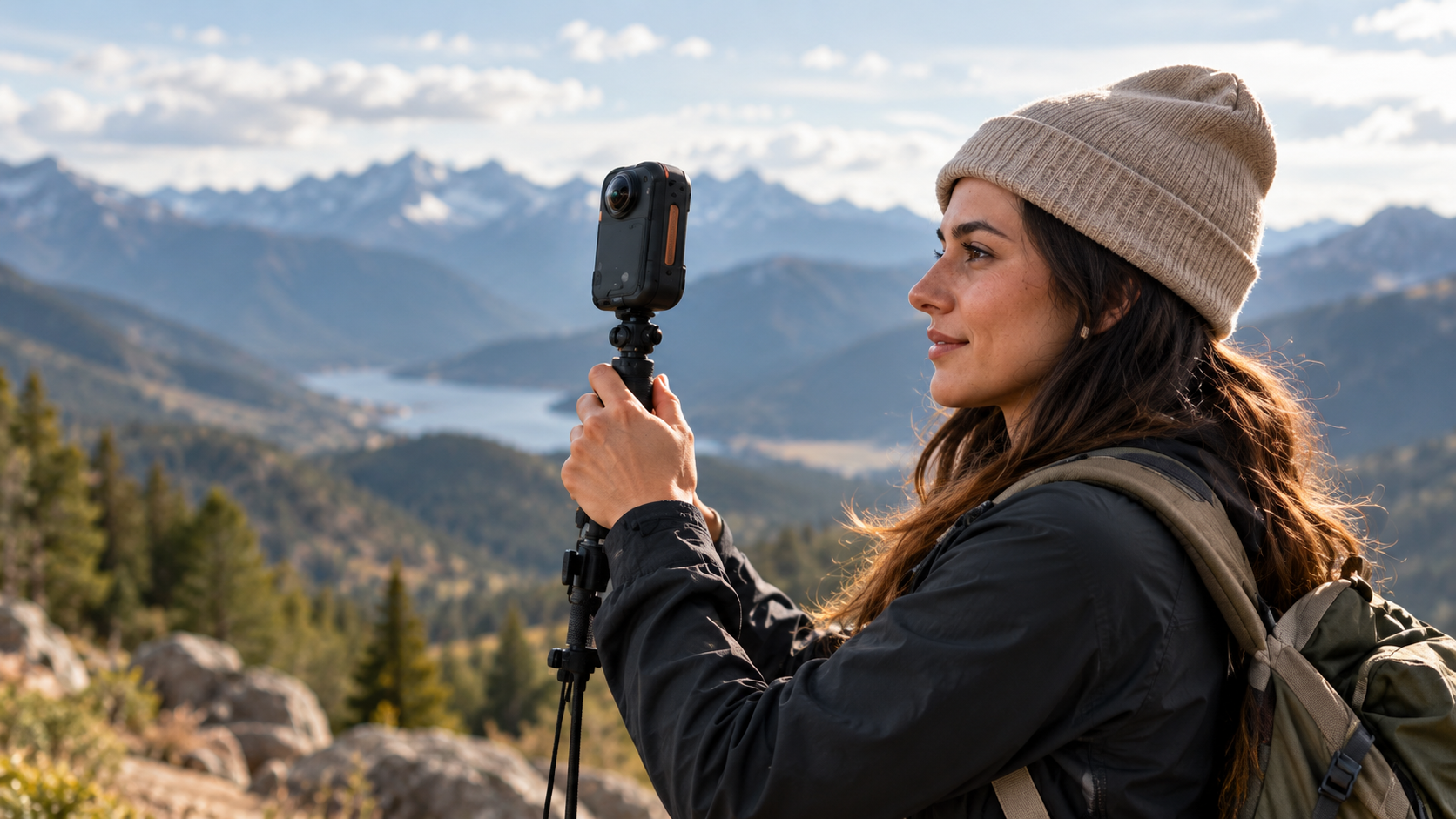
03 0:02–0:03
Product close-up · 50mm
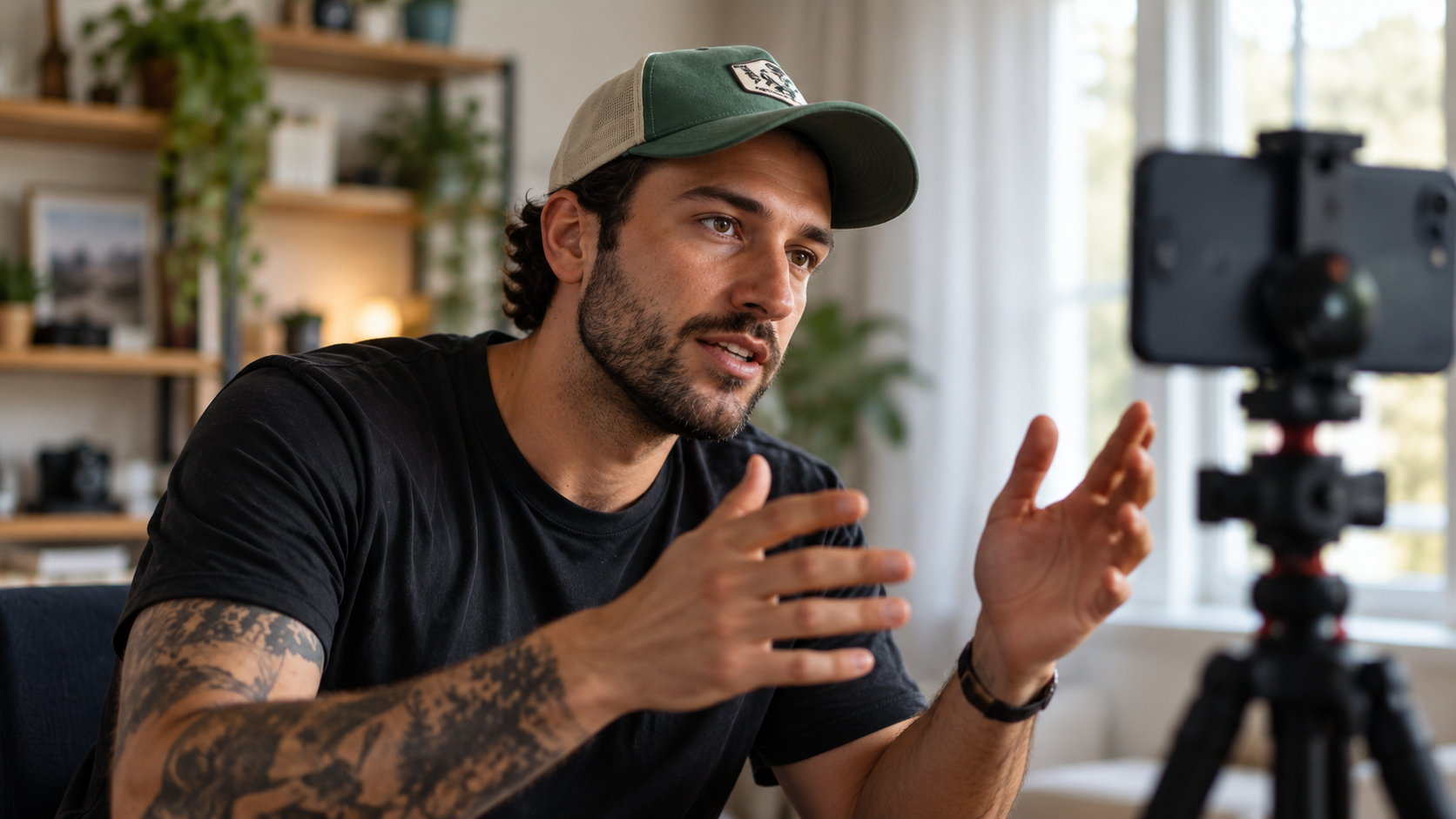
04 0:03–0:04
Handheld follow · 35mm
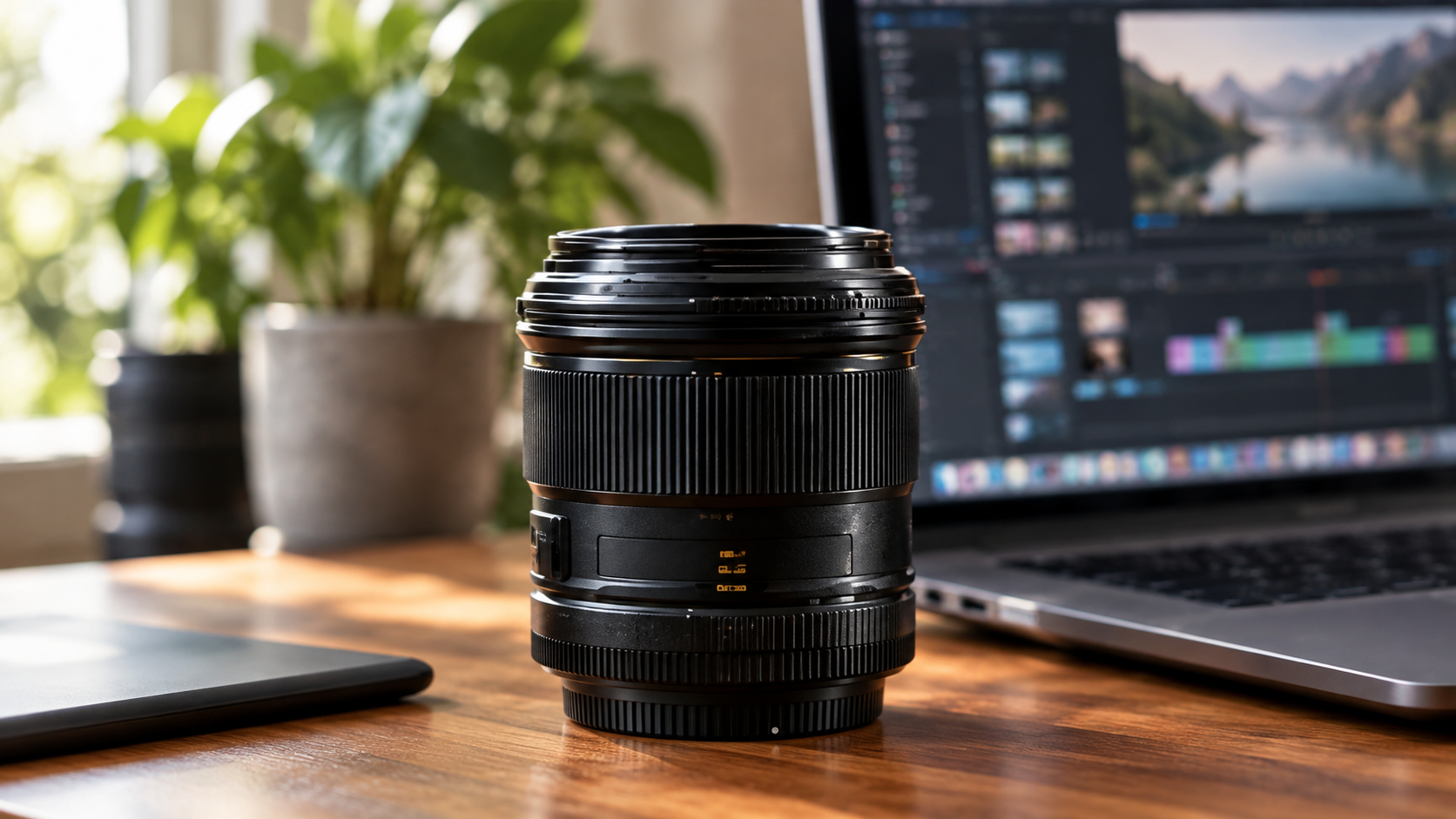
05 0:04–0:05
Detail shot · 85mm
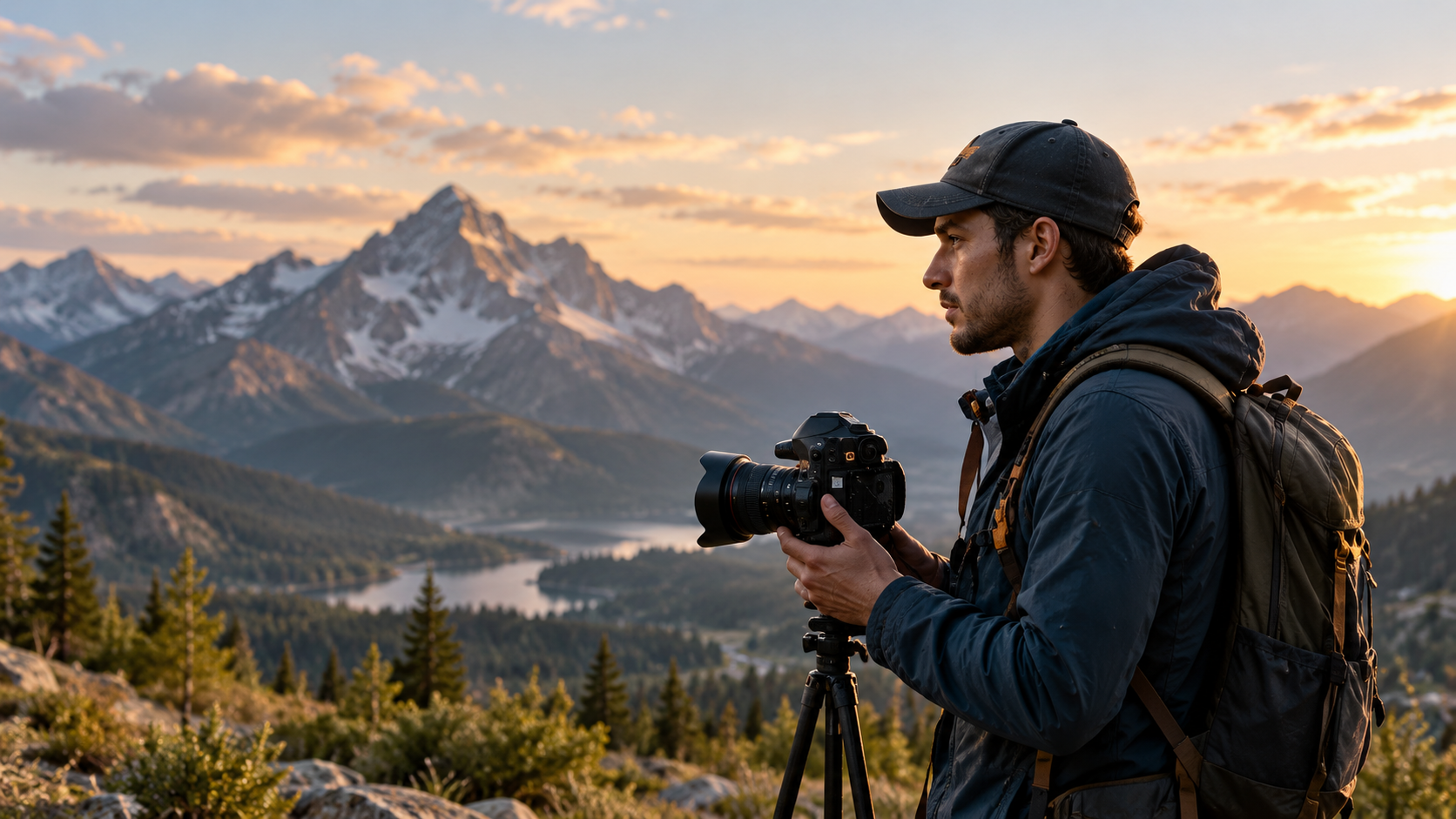
06 0:05–0:07
Reveal · 24mm
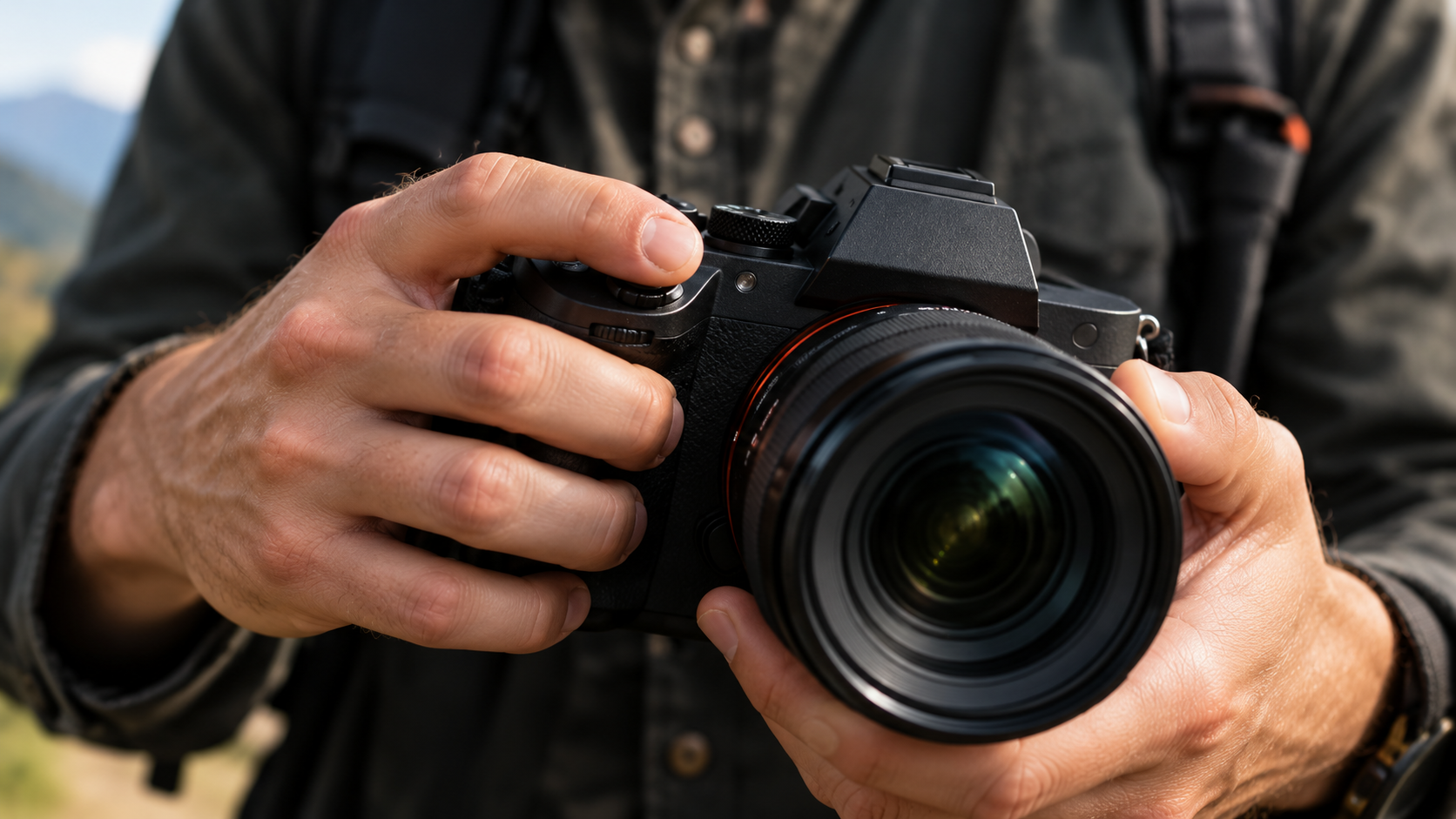
07 0:07–0:08
Lens detail · 50mm
23
Shots detected
Across 18.4 seconds
0.80s
Average shot length
Fast, dynamic pacing
24–50mm
Focal range
Most common focal lengths
DaVinci Resolve guidance
Take the edit apart before you build your own.
Translate pacing, frame counts, speed changes, transitions, and sound cues into a practical Resolve workflow.
- 1
Build the cut rhythm first.
- 2
Test ramps and transitions with intent.
- 3
Place original sound design without copying protected audio.
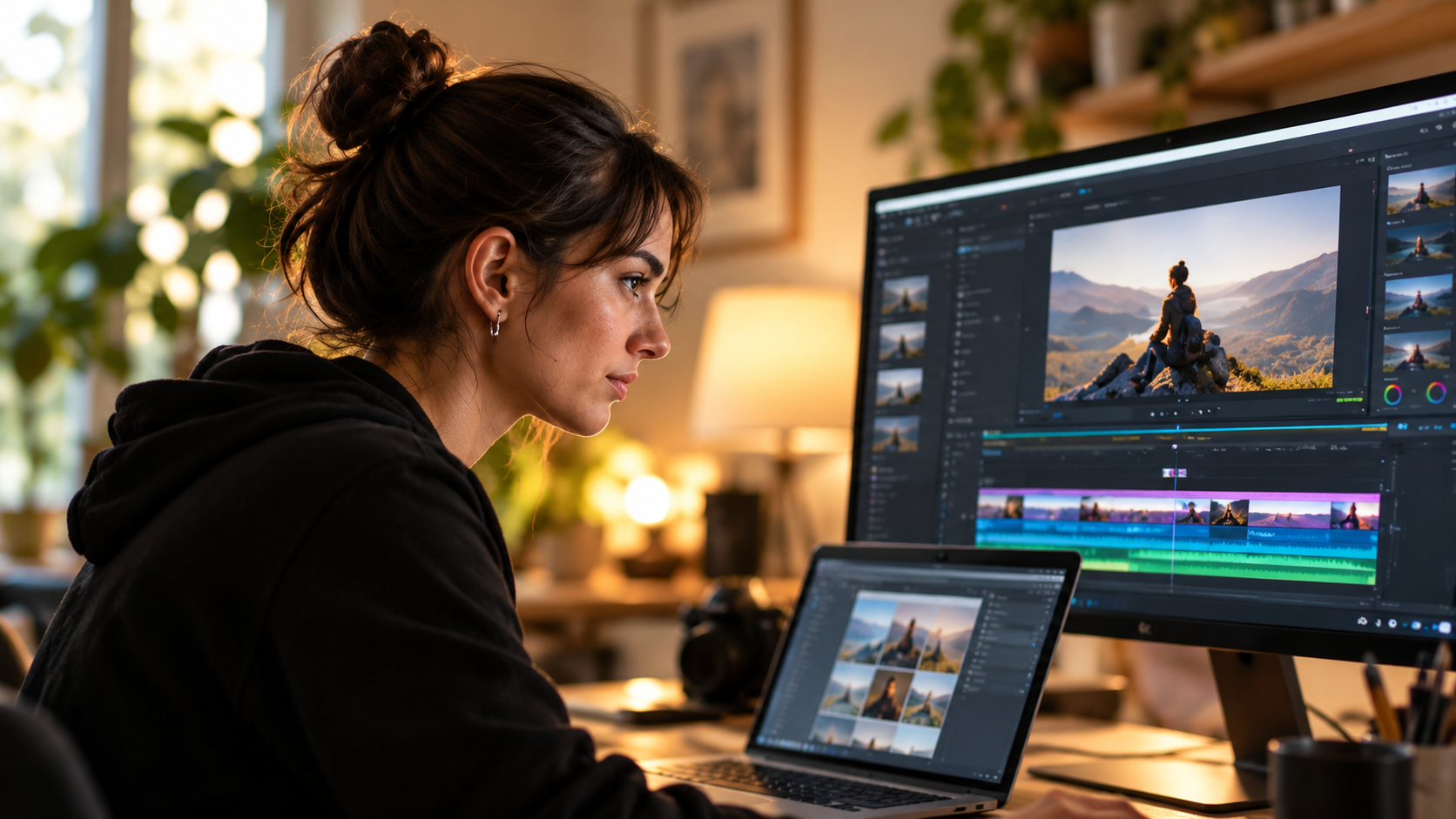
A better reference study leads to a more intentional shoot.
Study the technique. Change the subject, location, story, and execution. The work stays yours.